Top Hiking Backpacks in America: A Professional Guide to Load Management
The selection of a backpacking vessel is perhaps the most consequential decision a hiker makes, serving as the interface between the body and the physical demands of the wilderness. This relationship is defined by a complex interplay of physics, physiology, and logistical necessity. In the North American context, where the diversity of terrain ranging from the high-desert plateaus of the Southwest to the rain-soaked ridgelines of the Appalachians demands distinct mechanical responses, the backpack is no longer a passive container. It is a load-management system, an ergonomic extension of the skeletal structure, and a critical component of safety in remote environments.
True expertise in this domain requires moving past the superficial categorization of bags by volume or aesthetic appeal. The market for high-performance hiking equipment has matured significantly, shifting away from marketing-led cycles of novelty toward a focus on material science, load-transfer efficiency, and long-term repairability. For the hiker, this evolution presents both an opportunity and a challenge: the availability of high-capability gear is at an all-time high, but the necessity for informed, objective selection has never been greater.
Understanding “top hiking backpacks in America.”
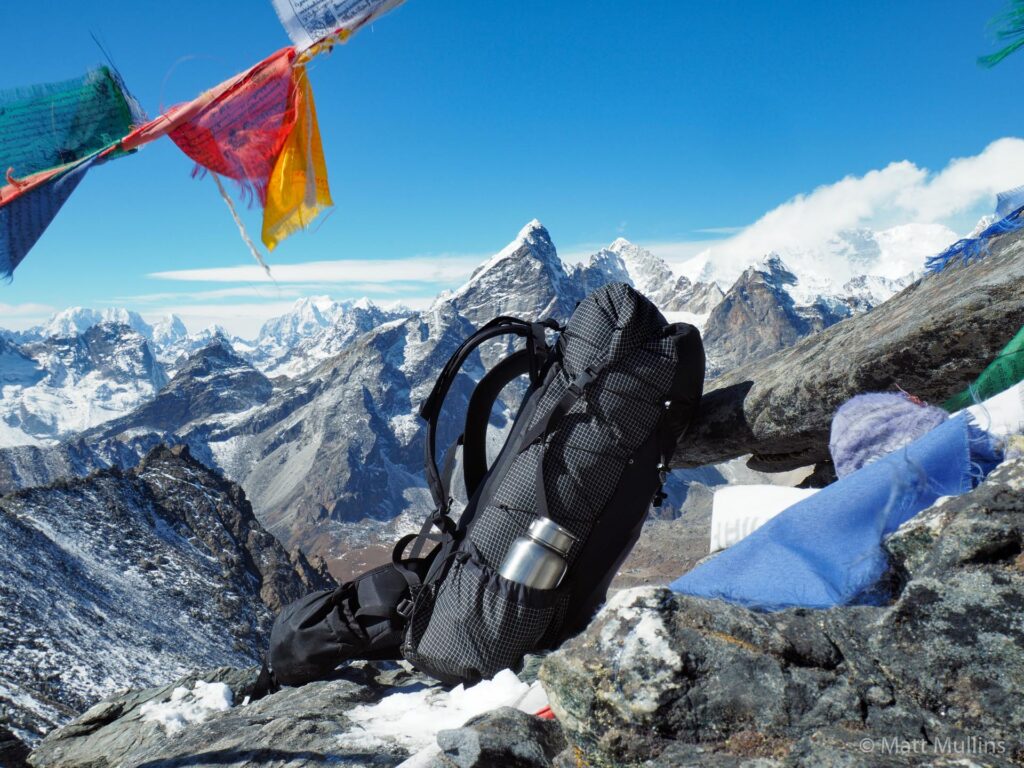
To identify the top hiking backpacks in America, one must first abandon the search for a singular, universal “best” product. The concept of the top hiking backpacks in America is inherently context-dependent, shifting radically based on the hiker’s intent, be it a weekend excursion in a temperate forest or a multi-month thru-hike across the Continental Divide. Misunderstandings in this space often stem from a focus on feature-rich, “heavy-duty” packs that prioritize convenience features such as excessive pockets or complex attachment systems, which often introduce unnecessary weight and failure points.
The true top hiking backpacks in America are defined by the success of their load-transfer mechanics. A superior pack effectively shifts the burden of weight from the delicate structures of the shoulders to the larger, more capable musculature of the hips and glutes. This is not merely a matter of comfort; it is a matter of orthopedic preservation over hundreds of miles. When analyzing the top hiking backpacks in America, discerning users look for adjustable torso lengths, ventilated suspension systems that manage thermal buildup, and frame architectures that maintain their structural integrity under dynamic loading.
The Systemic Evolution of Backpacking Architecture
The trajectory of backpack design in North America is a study in iterative refinement. From the early 20th-century reliance on rudimentary Inuit-inspired pack boards to the introduction of internal-frame systems in the 1970s, the goal has remained consistent: maximizing the ratio of carried weight to energy expenditure. The recent decade has introduced a “cottage industry” renaissance, where specialized, smaller-scale manufacturers have challenged traditional industry leaders by prioritizing ultralight performance and specialized design. This shift has forced a move toward minimalism, where unnecessary volume and features are actively pruned to favor efficiency and agility in challenging backcountry environments.
Conceptual Frameworks for Load Management
1. The Energy Expenditure Model
This framework posits that every gram of gear on one’s back translates to a specific caloric cost over distance. Load management is therefore an exercise in energy conservation. The ideal pack is the one that minimizes the energy required to stabilize the load, effectively making the gear “disappear” during movement.
2. The Load Transfer Matrix
This mental model categorizes the distribution of weight. A well-designed pack should achieve a 70/30 split, with 70% of the load directed through the hip belt to the legs and 30% supported by the shoulder harness. Any pack that deviates significantly from this ratio is, by definition, failing its primary mechanical function.
3. The Modularity-Utility Spectrum
This spectrum balances the need for specialized gear storage against the weight penalty of internal organization. High-utility packs often feature “quiet” organization, internal sleeves, and compression systems that organize gear without the bulk of external, specialized zippers or pouches.
Categorizing Mobility Assets: Trade-offs and Decision Logic
| Pack Category | Target Use Case | Primary Advantage | Primary Trade-off |
| Ultralight (Frameless) | Thru-hiking/Fastpacking | Minimal weight | Requires high skill to pack |
| Lightweight (Internal Frame) | Weekend/Multi-day | Balance of comfort/weight | Limited load capacity |
| Expedition (High-Volume) | Long-duration/Remote | Maximum support/Storage | High dry weight |
| Tactical/Utility | Bushcraft/Working | Extreme durability | Excessive complexity/Weight |
Decision Logic: Select a category based on the “Expected Max Load” of your system. If your base weight (excluding food/water) is under 15 pounds, the lightweight or ultralight category is appropriate. If your base weight exceeds 25 pounds, an internal frame with robust load-transfer capabilities becomes non-negotiable.
Real-World Scenario Analysis
The High-Altitude Traverse
Hiking in technical, high-elevation terrain with significant daily elevation gain.
-
Constraint: Stability is paramount. The pack must not sway or bounce during scrambling.
-
Failure Mode: A pack with a loose suspension system leads to “center-of-gravity drift,” increasing fatigue.
-
Decision: Prioritize a pack with a rigid, body-contoured frame and minimal external “dangling” items.
The Sustained Multi-Day Thru-Hike
Long-duration travel with significant food and water carry.
-
Constraint: The weight of the pack fluctuates drastically throughout the week.
-
Failure Mode: A pack that loses structural integrity when lightly loaded.
-
Decision: Utilize a pack with effective compression systems to keep a shifting load stable.
Governance: Maintenance and Long-Term Adaptation
A backpack is a machine, not a passive garment. Its governance requires a rigorous cycle of inspection:
-
Post-Trip Audit: After every hike, check high-stress points—stitching at the shoulder harness, the integrity of the hip-belt buckles, and the wear on the base fabric.
-
Structural Calibration: Ensure that after long periods of storage, internal frame supports have not warped and that all tensioning straps operate smoothly.
-
Preventative Care: Periodically apply specialized waterproof treatments to fabrics and ensure that zippers are cleaned of grit, which acts as an abrasive over time.
Deconstructing Myths and Oversimplifications
-
Myth: “Lighter is always better.”
Correction: Ultralight gear often sacrifices load-transfer comfort. -
Myth: “There is a ‘men’s’ and ‘women’s’ pack.”
Correction: These labels are marketing shorthands for torso length and harness geometry. Always fit the pack to your individual skeletal measurements, regardless of the label. -
Myth: “You need a rain cover.”
Correction: In high-performance systems, internal pack liners (dry bags) are significantly more effective and less prone to failure than external rain covers, which catch wind and tear easily.
Ethical and Practical Considerations
The environmental impact of gear manufacturing is significant. Choosing a pack from a manufacturer that offers a robust repair program is an ethical imperative. By extending the life of a pack through maintenance and repair, the hiker reduces the demand for virgin resources and minimizes the entry of discarded gear into waste streams. Long-term durability is the ultimate form of sustainability.
Conclusion
The selection of the top hiking backpacks in America is not the final step of preparation, but the starting point of a more efficient relationship with the wilderness. By understanding the mechanical principles of load distribution, prioritizing the durability of materials, and engaging in proactive maintenance, the hiker transitions from being a mere consumer of outdoor gear to an informed user of professional-grade equipment. This disciplined approach ensures that the backpack remains a reliable, transparent, and enduring partner in the pursuit of remote adventure.