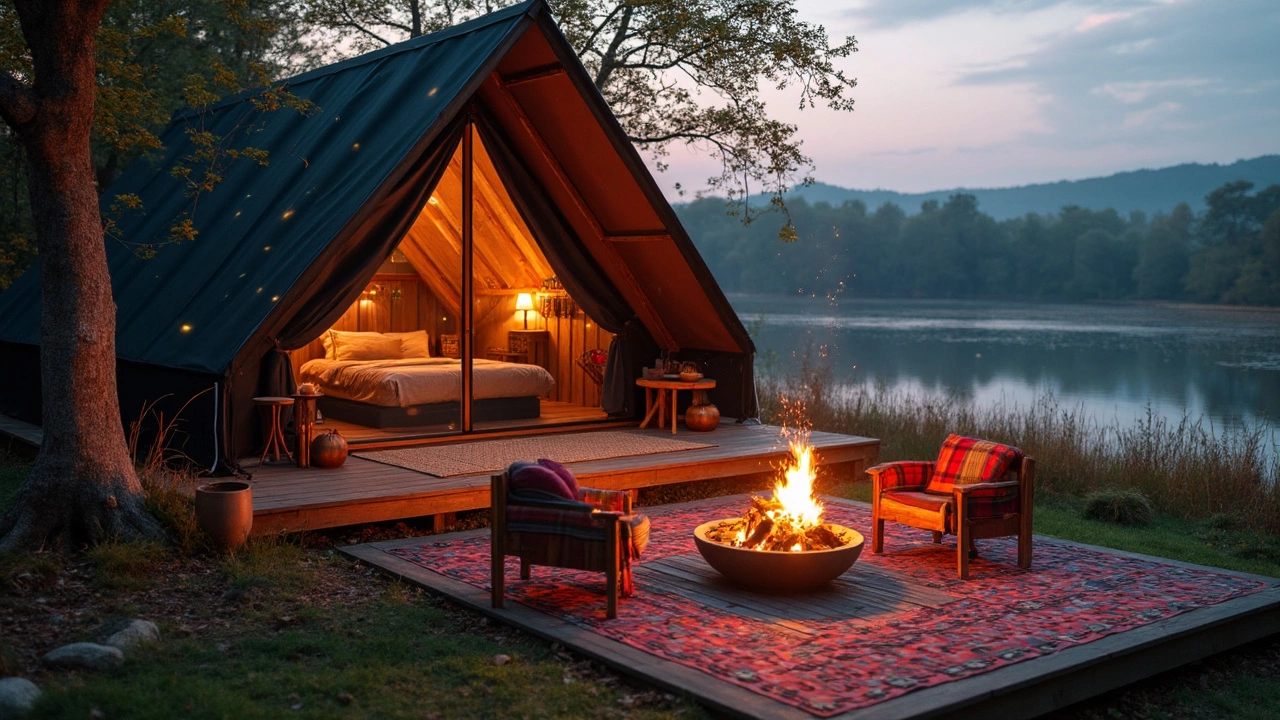
Luxury Camping Gear USA: A Professional’s Guide to High-End Equipment
The pursuit of outdoor immersion no longer necessitates a compromise between environmental engagement and physical comfort. In recent years, a distinct segment of the outdoor equipment market has matured, moving away from the “survivalist” paradigm toward a model of refined, high-performance habitation. This evolution reflects a broader shift in how individuals interact with the American landscape, prioritizing longevity, technical sophistication, and material integrity. For the discerning camper, the acquisition of professional-grade equipment is an investment in the quality of the experience, transforming the wilderness from a space to be endured into one that can be inhabited with stability and grace.
Refining one’s kit to a high standard requires a departure from the consumerist cycles that prioritize novelty over function. High-end equipment is distinguished by its adherence to specific engineering principles such as the thermal efficiency of sleeping systems, the structural load-bearing capacity of shelter architectures, and the ergonomic utility of mobile kitchens. Understanding this requires more than a casual review of retail listings; it necessitates an analytical deconstruction of the materials, assembly techniques, and systemic design philosophies that elevate a piece of kit into the category of “luxury.”
Understanding “luxury camping gear in the USA.”
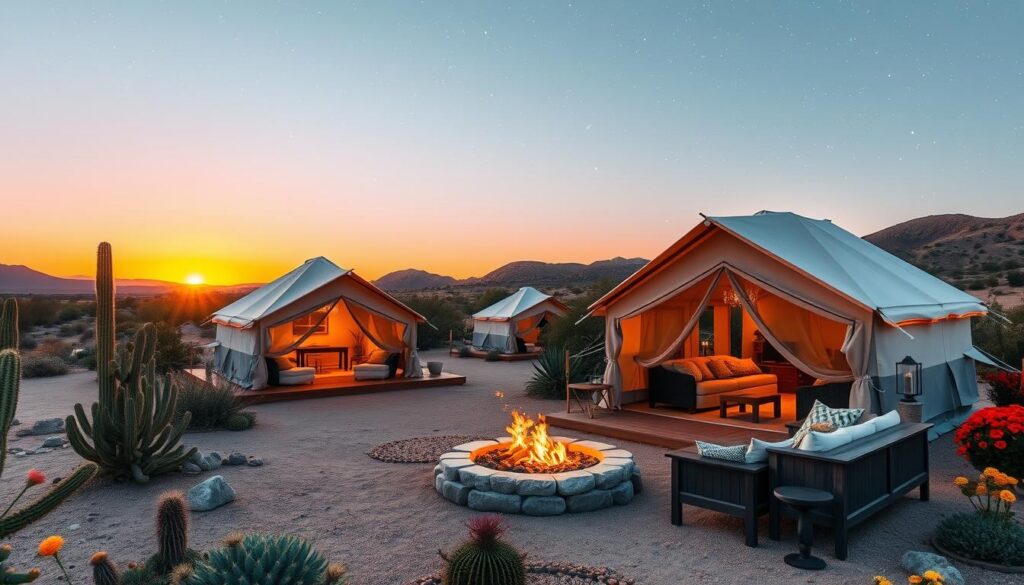
The term luxury camping gear USA ” is frequently misunderstood as a shorthand for “glamping” or excessive ornamentation. In a professional editorial context, however, it denotes a specific caliber of equipment designed for longevity, high-tolerance performance, and architectural ingenuity. A truly premium setup is defined by its resilience to environmental stress and its ability to maintain a stable, predictable micro-environment for the user. When identifying luxury camping gear in the USA, the primary metric is not aesthetic flair, but the efficiency of the design in executing its intended function.
A common pitfall in this sector is the pursuit of “all-in-one” systems, which often introduce unnecessary points of failure. The most capable equipment is usually modular, allowing the user to repair or upgrade specific components, such as replacing a tent pole or upgrading a sleeping pad’s insulation,n without discarding the entire system. Understanding luxury camping gear USA requires moving past the marketing language that emphasizes “prestige” and instead focusing on technical specifications: denier ratings of fabrics, the R-value of sleeping surfaces, the BTU output of cooking modules, and the weather rating of shelters.
The Systemic Evolution of High-End Outdoor Habitation
The trajectory of outdoor gear in the United States has evolved from rudimentary, heavy-canvas shelters toward a sophisticated synthesis of aerospace-grade materials and ergonomic design. The “outdoor boom” of the last decade has acted as a catalyst, driving innovation in areas such as lightweight synthetic insulation, high-tensile pole alloys, and advanced weather-resistant coatings. Today’s high-end market is defined by the democratization of professional-tier technology, where features once exclusive to high-altitude mountaineering, such as extreme temperature regulation and modular load-bearing, are now integrated into equipment designed for vehicle-based or base-camp scenarios.
Conceptual Frameworks: The Physics of Comfort
1. The Thermal Equilibrium Model
Comfort in the outdoors is fundamentally a function of managing heat flux. A high-end sleeping system must manage three vectors: conduction (preventing heat loss to the ground via high R-value pads), convection (preventing heat loss to air via high-loft insulation), and radiation (managing moisture vapor).
2. The Structural Load-Bearing Matrix
Shelter systems are essentially structural engineering projects. A premium tent must distribute dynamic wind loads through its frame architecture without relying on tension from fabric that would otherwise reach its elastic limit and fail.
3. The Utility-to-Bulk Ratio
This model evaluates every item based on its functional output relative to its stored volume. The most efficient systems prioritize high-density utilit —gear that performs multiple roles or packs down to a volume that maximizes transportability in a standard passenger vehicle or cargo system.
Categorizing Mobility Assets: Trade-offs and Decision Logic
| Category | Primary Function | Performance Advantage | Primary Trade-off |
| Structural Shelters | Habitat/Protection | High headroom/Stability | Highly packed volume |
| Sleep Systems | Metabolic Recovery | Thermal precision/Comfort | Weight/Maintenance |
| Culinary Modules | Nutritional Output | Efficiency/Variety | Cleaning complexity |
| Power Infrastructure | Energy Management | Reliability/Off-grid support | Upfront capital cost |
Decision Logic: To build a high-performance system, prioritize “foundational hardware” (shelter and sleep systems) first. Only after establishing a reliable habitat should one move into peripheral conveniences like culinary modules or integrated lighting.
Real-World Scenario Analysis
The High-Desert Basecamp
Operating in an environment of extreme temperature oscillation and high wind.
-
Decision Point: Priority is placed on a double-walled shelter with reinforced guy-points to handle wind-shear, and a high-R-value sleeping pad to counteract conductive heat loss to cool desert soil.
-
Failure Mode: Use of a lightweight, single-walled tent prone to condensation and poor wind performance.
The Temperate Wetland Excursion
Operating in high-humidity environments with persistent precipitation.
-
Decision Point: Priority is placed on synthetic-fill insulation (which retains loft when damp) and a ground-sheet system that prevents hydrostatic pressure from forcing water through the tent floor.
-
Failure Mode: Reliance on down insulation without adequate moisture-barrier protection.
Economic Dynamics and Resource Planning
| Asset Tier | Lifecycle Expectancy | Maintenance Requirement | Amortized Cost/Trip |
| Mass-Market | 1–2 Seasons | Low (Disposable) | High |
| Performance Tier | 5–10 Seasons | Moderate (Proactive) | Medium |
| Premium/Artisanal | 15+ Seasons | High (Governance) | Low |
The long-term value of high-end equipment is found in its durability. When viewed as an amortized cost over a decade, a premium tent or cooking system often proves to be significantly more economical than the repeated acquisition of low-tier alternatives that succumb to mechanical failure.
Risk Landscape and Failure Modes
-
The Compression Trap: Storing high-loft sleeping bags in compressed sacks for long periods permanently degrades their ability to trap heat.
-
Membrane Clogging: Failure to clean the DWR (Durable Water Repellent) on tent flies or rainwear leads to “wetting out,” where the fabric absorbs water, rendering the system heavy and non-breathable.
-
Galvanic Corrosion: Storing metallic components (e.g., tent poles) in a damp state can lead to the oxidation of joints, causing them to seize.
Governance, Maintenance, and Long-Term Adaptation
Professional-grade equipment requires a cycle of “Governance,” a rigorous process of oversight:
-
Pre-Trip Calibration: Inspection of all tensioning systems, zippers, and structural joints.
-
In-Field Stewardship: Adopting the “Leave No Trace” ethos not just for the environment, but for the gear—protecting tent floors with footprints and keeping culinary systems clean to prevent rodent attraction.
-
Post-Trip Decontamination: A mandatory rinse of all synthetic fabrics and a drying cycle to arrest microbial growth before long-term storage.
Evaluating Performance: Metrics for Stewardship
-
Loft Retention: Measuring the time a sleeping bag takes to expand after being removed from its storage sack.
-
Systemic Speed-to-Habitat: The time required to move from an “in-transit” state to a “habitable” state. A well-designed system should achieve this in under 15 minutes.
-
Material Integrity: Regularly monitoring fabrics for signs of UV-induced embrittlement or thinning at high-stress seams.
Deconstructing Myths and Oversimplifications
-
Myth: “Waterproof means invulnerable.”
Correction: Most waterproof fabrics are designed for hydrostatic resistance but are vulnerable to mechanical abrasion. -
Myth: “You need a separate piece of gear for every task.”
Correction: High-performance systems rely on multi-functional gear (e.g., a high-end down quilt that can serve as a camp blanket or a sleeping system). -
Myth: “Expensive gear doesn’t need maintenance.”
Correction: High-end gear is more sensitive to improper care than basic equipment, as it often uses thinner, higher-performance membranes that require specific detergents and treatment.
Ethical and Practical Considerations
The environmental impact of outdoor equipment is increasingly scrutinized. The most ethical gear is that which is built to last. By prioritizing modular, repairable designs and adhering to a rigorous maintenance schedule, the user minimizes their contribution to waste streams. Furthermore, when selecting high-end equipment, consider the source supporting manufacturers who offer repair services and use ethical supply chains is a core component of responsible stewardship.
Conclusion
Building a high-performance kit is a disciplined exercise in curation and stewardship. By shifting focus toward the mechanical and physical realities of outdoor habitation, the traveler secures a foundation of comfort and reliability that is independent of shifting trends. The ultimate goal of such an investment is to remove the friction between the individual and the wilderness, allowing for a more profound and uninterrupted experience of the landscape. Through the careful application of the principles outlined here, one transforms their outdoor kit into a stable, enduring, and professional-grade system of mobility.