Common Travel Lock Setup Mistakes: How to Secure Your Gear
The act of securing one’s belongings during international transit is often treated as a peripheral concern, a final, perfunctory step before departing for the airport. However, the travel lock is not merely a deterrent; it is a critical interface between the individual’s assets and a chaotic, high-volume global transit system. When approached with negligence, this interface becomes the primary point of failure, leading to compromised security, the loss of essential items, or the involuntary destruction of the locking mechanism itself during mandatory inspections.
Serious travelers must recognize that physical security is a discipline of nuance. It is not about creating an impenetrable vault, but about managing risk, signaling intent, and ensuring operational continuity. The widespread failure to understand the mechanics of TSA-compliant hardware and the common lapses in combination management are symptomatic of a broader detachment from the logistical realities of modern travel. By re-centering the focus on the deliberate, technical, and psychological aspects of security, one can transform a simple tool into a robust system of defense.
Understanding “common travel lock setup mistakes.”
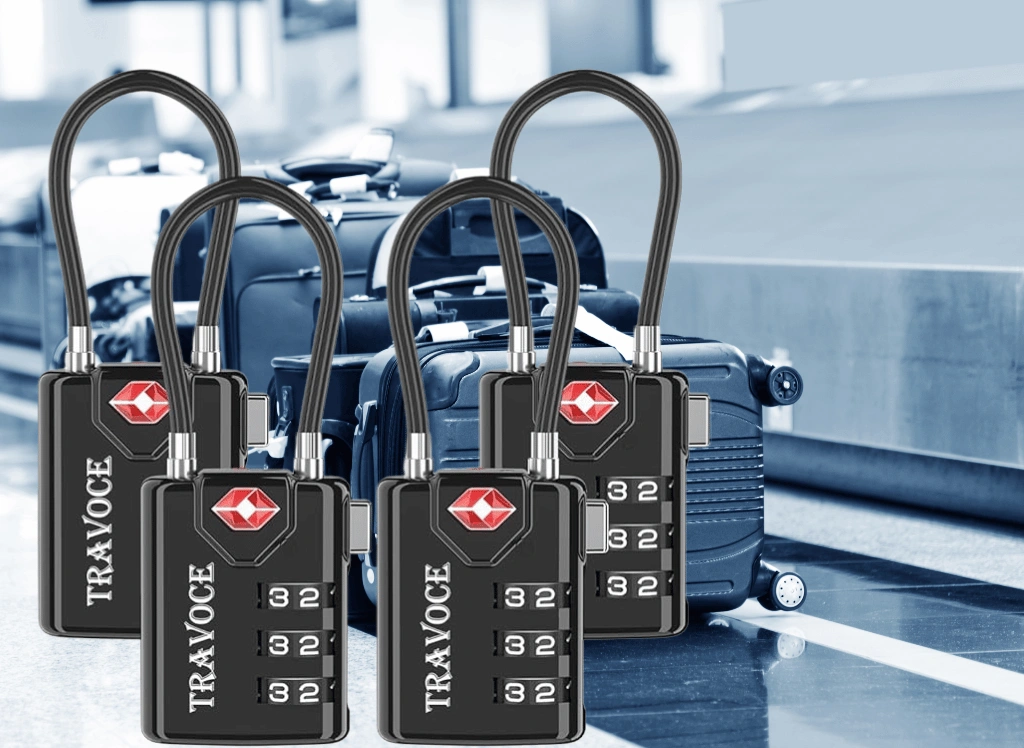
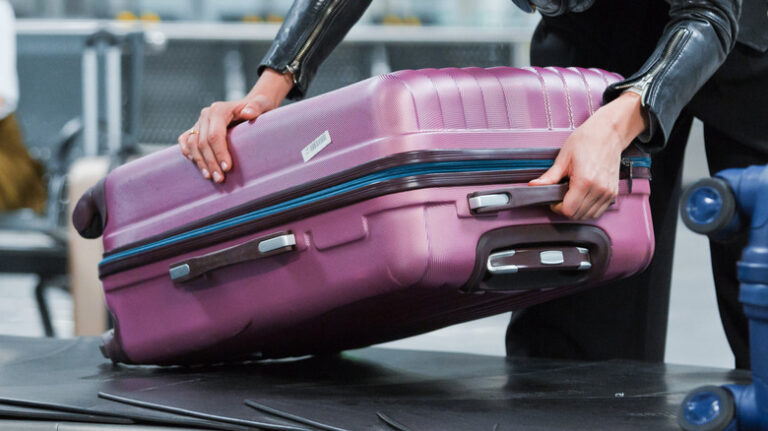
The professional analysis of common travel lock setup mistakes highlights a pervasive misunderstanding of how security hardware interacts with the gate-check and screening process. The most significant error is the assumption that any lock is better than no lock. In reality, a poorly configured security device can be more problematic than a vacant zipper, as it signals a target to malicious actors while failing to provide any meaningful obstruction to a determined individual or, more importantly, a customs official. Recognizing the nuances of common travel lock setup mistakes requires an audit of how the device is configured in relation to the specific baggage it is meant to protect.
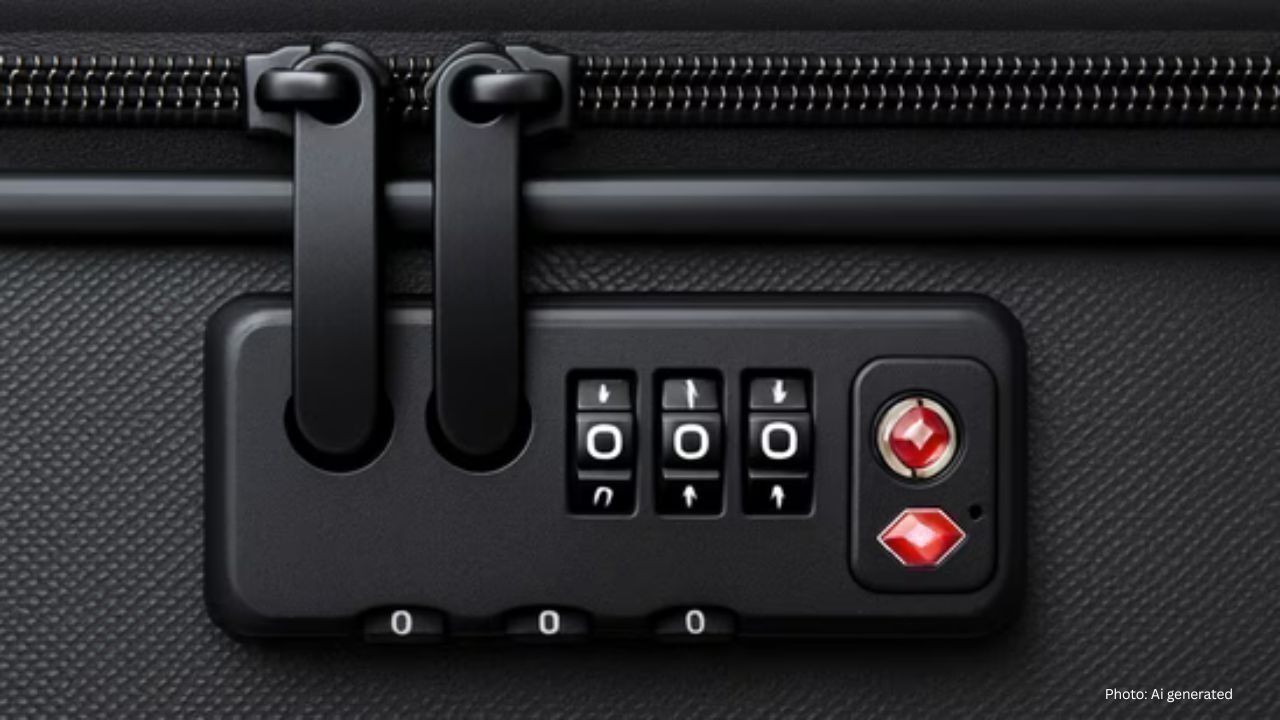
A failure to understand the “non-destructive access” requirement is another primary driver of common travel lock setup mistakes. Aviation authorities in many jurisdictions utilize master-key systems to access luggage without the owner’s presence. If a user sets up a lock that is not compatible with these protocols or worse, a lock that is fragile enough to be snapped by a clumsy inspector, the result is an immediate loss of security. By internalizing common travel lock setup mistakes as an operational oversight rather than a hardware limitation, the traveler can make more informed choices about the type of device they carry and how they integrate it into their transit workflow.
The Systemic Evolution of Transit Security Protocols
The evolution of the travel lock is inextricably linked to the post-2001 restructuring of global aviation security. The introduction of the TSA-compliant master key system (Travel Sentry) was a recognition that security cannot be absolute when official inspection is required. This created a dual requirement for the hardware: it must be secure enough to stop a casual opportunistic thief, yet accessible enough to be bypassed without damaging the luggage or the lock itself. The failure to adapt to this systemic evolution by continuing to use older, non-compliant, or high-security hardened hardware that forces agents to use bolt cutters is a fundamental flaw in modern travel planning.
Conceptual Frameworks for Physical Security
1. The Deterrence-vs-Prevention Framework
This framework posits that travel locks are not “prevention” tools (like a bank vault); they are “deterrence” tools (like a perimeter fence). A lock discourages opportunistic access; it does not defeat a committed professional. Understanding this limits the traveler’s expectations and prevents reliance on hardware that is fundamentally unsuited for high-value asset protection.
2. The Operational Accessibility Model
This model mandates that the owner must be able to engage and disengage the lock under extreme physical and psychological stress, such as in a dim, crowded, or hurried airport terminal. If the lock setup is too complex (e.g., a multi-disk padlock requiring perfect alignment), it will eventually lead to user failure or frustration, causing the traveler to abandon security altogether.
3. The Inspectability Hierarchy
This framework prioritizes equipment that respects the “Inspectability Hierarchy.” At the top are TSA-compliant locks that allow for master key access. At the bottom are heavy-duty, non-compliant padlocks that necessitate hardware destruction. Aligning one’s security strategy with this hierarchy is the most effective way to protect the physical integrity of the luggage itself.
Categorizing Lock Variations and Operational Trade-offs
| Lock Type | Security Level | Inspectability | Best Use Case |
| TSA Cable Lock | Low | Excellent | Quick trips; soft-sided bags |
| TSA Shackle Lock | Moderate | Good | General travel; hard-shell bags |
| Non-Compliant Hardened | High | Poor | Secure storage (non-flight) |
| Biometric/Electronic | Variable | Low/None | Specialized gear/Tech kits |
Decision Logic: For the majority of international transit, the TSA shackle lock provides the optimal balance of deterrence and inspectability. Only when the bag is strictly checked through a non-inspection environment should a non-compliant lock be considered.
Real-World Scenario Analysis
The “Jamming” Failure
A traveler sets a new combination on a cable lock but fails to confirm the setting while the shackle is open.
-
Failure Mode: The mechanism locks permanently in a scrambled state.
-
Result: The suitcase cannot be opened without destructive intervention.
-
Second-Order Effect: The traveler misses their connection while dealing with terminal security.
The “Forced Entry” Event
A traveler uses a high-security, hardened padlock on a soft-shell suitcase for a flight.
-
Failure Mode: Security agents, unable to open the lock, cut the zipper fabric itself.
-
Result: The bag is ruined; the contents are potentially spilled.
-
Lesson: Hardware is replaceable; the suitcase shell is not.
Economic and Resource Dynamics of Security Assets
The costs associated with poor security choices are often hidden.
| Cost Element | Economic Nature | Opportunity Cost |
| Lock Replacement | Direct | Minimal |
| Luggage Repair/Replacement | Indirect | Moderate |
| Asset Theft/Loss | Indirect/Catastrophic | Extreme |
| Security Delay/Missed Flight | Opportunity | Potentially Total |
A proactive approach requires investing in a high-quality, TSA-certified locking system as a form of insurance against the higher, secondary costs of damaged luggage or compromised security protocols.
Tactical Tools and Support Systems
-
Multiple Verification Cycles: Always test a new combination at least three times—while the lock is open, while it is closed but not engaged, and finally while engaged.
-
Visual Indicators: Utilizing a lock with a “tamper-evident” indicator (often found on newer TSA models) to immediately notify the traveler if the lock was opened by a master key.
-
Combination Redundancy: Storing a secure, encrypted backup of the combination in a secondary location (e.g., a secure digital vault) that can be accessed in the event of cognitive failure.
-
Hardware Lubrication: Applying dry graphite to the internal cylinders of mechanical locks, particularly after travel in coastal or high-salt environments.
Taxonomy of Transit and Stationary Failure Modes
-
Mechanical Failure: The internal pins or springs seize due to oxidation or debris.
-
Cognitive Failure: The user loses or misremembers the combination or enters the code incorrectly during high-stress moments.
-
Inspection-Induced Destruction: Damage to the lock or the luggage occurring when an inspector attempts to bypass an incompatible locking mechanism.
-
Security Protocol Mismatch: Applying a lock that does not meet the standards of the country of transit, leading to official seizure.
Long-Term Governance and Adaptive Protocols
Establish a rigorous schedule for security maintenance:
-
Pre-Season Inspection: Before the travel season begins, test all mechanisms for smoothness and reliable engagement.
-
Combination Audit: Rotate the combinations of high-use locks annually to maintain a high security posture.
-
Hardware Retirement: Replace locks that exhibit any sign of mechanical fatigue, stiffness, or structural deformation after two years of consistent transit.
Evaluating Security Posture: Metrics for Asset Longevity
-
Failure-Free Cycles: A running log of how many transit segments a lock has successfully survived.
-
Inspection Success Rate: Tracking the number of times a lock was accessed by an inspector and successfully closed without damage.
-
Cognitive Retrieval Time: A self-test to measure how quickly the combination can be retrieved from memory in a high-stress simulated environment.
Deconstructing Myths and Oversimplifications
-
Myth: “A heavy lock is a secure lock.”
Correction: The strength of the lock is irrelevant if the zipper itself can be bypassed with a ballpoint pen. Focus on the total system integrity. -
Myth: “Master keys allow anyone to enter.”
Correction: While a vulnerability exists, the risk of a baggage inspector using a master key is significantly lower than the risk of the luggage being cut open by bolt cutters. -
Myth: “I don’t need to lock my carry-on.”
Correction: If the bag is gate-checked, it is effectively a checked bag. Always treat carry-on luggage as if it will eventually be checked.
Ethical and Contextual Considerations
The use of security hardware is not just a personal convenience; it is a signal of the traveler’s expectations. By using compliant, standardized, and well-maintained equipment, the traveler demonstrates a respect for the security protocols that maintain the safety of the entire system. This professional approach to security facilitates smoother transitions through transit checkpoints and reinforces the integrity of the international aviation network.
Conclusion
The effective use of travel locks is a nuanced discipline of logistics, mechanics, and cognitive control. Avoiding common travel lock setup mistakes requires more than just high-quality hardware; it demands a systematic approach to testing, verification, and protocol alignment. By prioritizing TSA-compliant access, maintaining the mechanical health of the device, and ensuring cognitive recall of combinations, the traveler creates a defensive posture that is both effective and transparent to authorities. This balanced strategy ensures that physical security remains a support system for the journey, rather than a point of failure, providing peace of mind and operational continuity in an inherently unpredictable environment.