Boutique Travel Tote Bags USA: A Professional’s Guide to Durable Carry
The modern landscape of professional mobility has transformed the carry-on vessel from a mere utility into a critical piece of operational infrastructure. For the discerning traveller, the distinction between a mass-market bag and a high-calibre accessory lies in the synthesis of structural integrity, material provenance, and ergonomic design. The contemporary demand for luggage that bridges the gap between aesthetic sophistication and rugged field performance has spurred a maturation in the domestic manufacturing sector, specifically regarding artisanal-grade carry solutions.
Navigating this niche requires an analytical approach that transcends the superficial allure of seasonal trends. It necessitates an examination of the engineering that governs load distribution, the chemical properties of water-resistant textiles, and the historical evolution of heavy-duty hardware. As travel becomes an increasingly fluid component of both corporate and creative workflows, the selection of the primary tote is not just a stylistic choice; it is an investment in the long-term protection of sensitive digital assets and personal essentials.
Understanding “boutique travel tote bags USA.”
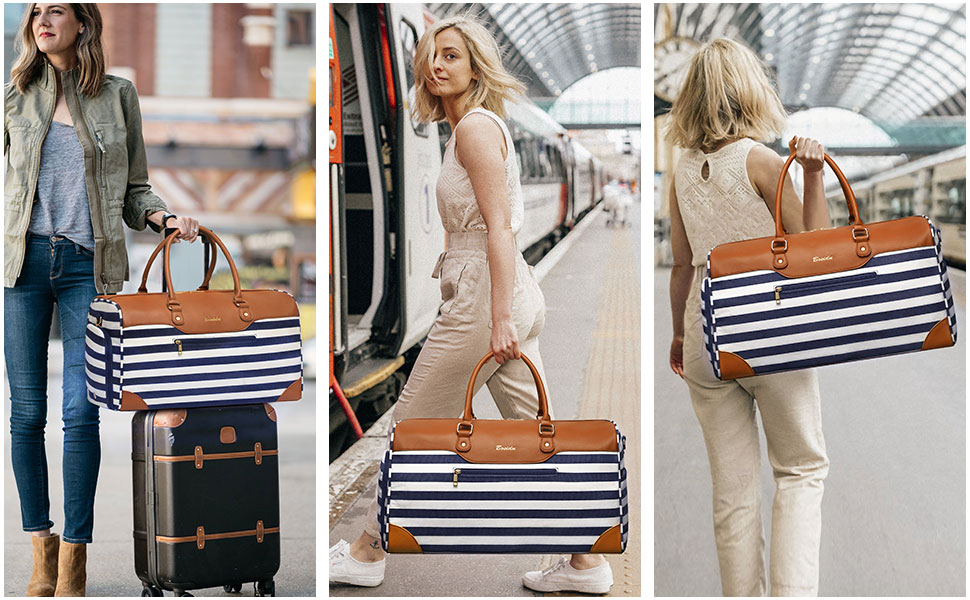
The search for boutique travel tote bags in the USA is often obstructed by a surfeit of digital noise that prioritises rapid-consumption marketing over engineering depth. To grasp what defines this category, one must first dismantle the misconception that “boutique” refers solely to design aesthetics. In the context of high-performance gear, the term denotes a commitment to low-volume, high-precision manufacturing, where the artisan’s hand dictates the quality of each stitch. These bags are frequently the result of design processes that emphasise material resilience, such as the utilisation of weather-treated canvas, reinforced nylon, or vegetable-tanned leather, over the cost-cutting measures typical of mass-produced travel gear.
Common pitfalls involve the conflation of capacity with utility. A larger tote does not necessarily equate to a more effective one; rather, it often introduces complexity in load management, leading to the “black hole” effect where gear becomes inaccessible. Over-simplification in product reviews often ignores the nuance of hardware, such as the tensile strength of the stitching or the quality of the zipper components that fundamentally dictate the bag’s lifespan. Identifying the boutique travel tote bags USA that will actually survive years of transit requires an analysis of structural stability, balance when loaded, and the ability of the material to resist environmental degradation during frequent travel cycles.
The Evolution of Carry Architecture
Historically, the tote bag originated as a simple, open-top utility vessel, the “carry-all” in its most primal form. As professional life became more intertwined with digital dependence, the architecture of the tote evolved significantly. The integration of interior padded compartments, security-focused zipper closures, and ergonomic strap systems transformed the bag from a grocery-store holdall into a sophisticated mobile workstation. This systemic evolution reflects a broader professional imperative: the requirement for a carry solution that maintains its form under the stress of heavy laptop-based kits while retaining the accessibility needed for rapid transit through security environments.
Conceptual Frameworks and Mental Models
To curate the boutique travel tote bags USA that align with professional requirements, practitioners should apply specific evaluative frameworks:
-
The Structural Stability Metric: Does the bag maintain its shape when empty? A structureless bag is notoriously difficult to pack and retrieve items from. High-performance design ensures that the bag retains a predictable form, even under varying load conditions.
-
The Weight-Utility Delta: Calculate the “empty weight” versus the intended “load capacity.” Boutique bags often utilise heavier materials; ensure that the material investment translates into durability rather than just aesthetic weight.
-
The Accessibility Hierarchy: Analyse the interior geography. High-frequency items (passports, phones, cards) require dedicated, high-access zones that remain functional even when the main compartment is fully loaded.
-
The Hardware-Constraint Model: Every zipper and attachment point is a potential failure point. Prioritise bags that utilise industrial-grade hardware (such as solid brass or high-tensile metal) over aesthetic-heavy, lightweight plastics.
Categorising Performance and Materiality
The categorisation of these vessels rests on the material used and the intended environmental exposure.
| Material | Best For | Technical Strength | Maintenance Requirement |
| Heavy-Duty Canvas | Urban / Professional | Abrasion resistance | Occasional re-waxing |
| Full-Grain Leather | High-Formal | Structural longevity | Conditioning / Moisture care |
| Ballistic Nylon | High-Velocity Transit | Tear/Puncture resistance | Minimal |
| Recycled Polymers | Lightweight / Dynamic | Sustainability / Weight | Moderate |
Decision logic for selecting a specific bag must prioritise the environmental threshold of the most common destination. A professional traversing urban environments in the Pacific Northwest requires superior water-repellency, whereas a domestic business executive focusing on climate-controlled transit hubs can prioritise leather’s structural elegance.
Operational Scenarios and Decision Logic
-
The Transit-Centric Executive: Requires a bag that fits seamlessly under an airline seat while providing enough structural support to prevent documents from crumpling. The priority is the rapid deployment of a laptop.
-
The Creative Professional: Needs a flexible interior to accommodate both work gear and personal items for overnight stays. The failure mode here is “internal sprawl”; the bag must have enough sub-organisation to prevent items from shifting during transit.
-
The Intermodal Commuter: Requires a bag that is equally comfortable slung over the shoulder while biking or carried by hand through a corporate lobby. The strap design width, padding, and attachment points are the decisive factors.
Planning, Cost, and Resource Dynamics
The investment in boutique travel tote bags USA should be calculated based on the cost-per-year of service, not the initial purchase price.
| Investment Tier | Typical Durability | Strategic Benefit |
| Entry-Level (Mass) | 6–18 months | Low initial risk |
| Mid-Tier (Production) | 2–5 years | Balanced performance |
| Boutique (Artisanal) | 5–15+ years | Systemic reliability / Asset value |
The primary hidden cost in low-tier bags is the frequency of replacement. A well-constructed boutique tote, even at a significantly higher price point, frequently reaches a lower total cost of ownership when amortised over a decade of consistent use.
Risk Landscape and Failure Modes
-
Hardware Fatigue: The most common failure in any tote bag is the zipper track. Even with the finest materials, if the zipper is not of equivalent industrial grade, the bag is effectively compromised.
-
Handle Detachment: High-load transit stresses the junction between the strap and the body of the bag. Always inspect for reinforced stitching or “x-box” reinforcement at these critical nodes.
-
Environmental Bleed: In bags using untreated materials, dye transfer to clothing or moisture ingress during unexpected weather events remains a significant systemic risk.
Common Misconceptions and Strategic Oversimplifications
-
“Handmade implies higher durability”: Not necessarily; handmade items require skilled engineering. Ensure the manufacturer has a clear record of load-tested construction.
-
“Leather is the most durable”: Leather requires significant maintenance to resist cracking in arid or high-heat environments; ballistic nylon is often the superior choice for consistent, low-maintenance field performance.
-
“A bag with more pockets is better”: Excessive sub-pockets can become “storage voids” where small items are lost, increasing cognitive load during transit.
-
“Waterproof is standard” There is a massive difference between “water-resistant” and “waterproof.” Know your environmental exposure before demanding fully sealed systems.
Conclusion
The selection of boutique travel tote bags USAmodels represents a commitment to functional longevity and professional reliability. By prioritising artisanal construction and material resilience over the rapid turnover of seasonal fashion, the traveller acquires a tool that facilitates rather than impedes the flow of work. The ultimate measure of a bag’s worth is not in its aesthetic display but in its invisibility during transit, the assurance that the equipment inside is protected, the weight is distributed correctly, and the vessel itself will endure for years of rigorous service.