Common Camera Gear Storage Mistakes: A Guide to Asset Preservation
The longevity of high-end imaging equipment is rarely a matter of serendipity; it is the direct outcome of disciplined environmental management and mechanical vigilance. Modern photographic instruments, from mirrorless chassis to complex multi-element glass, represent a delicate intersection of micro-electronics, precision lubricants, and delicate optical coatings. When these tools are treated as mere consumer appliances, the result is an inevitable, often silent, degradation of performance. Understanding that camera gear is inherently fragile, not in terms of impact, but in terms of environmental interaction, is the foundational shift required for any serious photographer.
Improper stewardship is the primary cause of equipment failure in the professional sector. While catastrophic damage is easily identified, the slow accumulation of micro-damage, fungal growth, internal element haze, or the degradation of dampening grease in manual focus mechanisms is often overlooked until the damage is irreversible. This is not merely a financial issue; it is a question of reliability. A camera that functions perfectly during a controlled studio session may fail under the rigors of field work due to internal corrosion or sensor contamination brought about by years of suboptimal storage practices.
This guide serves as a rigorous technical resource for the long-term preservation of imaging systems. It moves beyond standard, surface-level advice to investigate the chemical, physical, and systemic factors that dictate the lifespan of imaging assets. By adopting a proactive stance toward the storage environment, one can ensure that the investment made in high-fidelity optics and precision electronics remains functional for decades rather than years.
Understanding “common camera gear storage mistakes.”
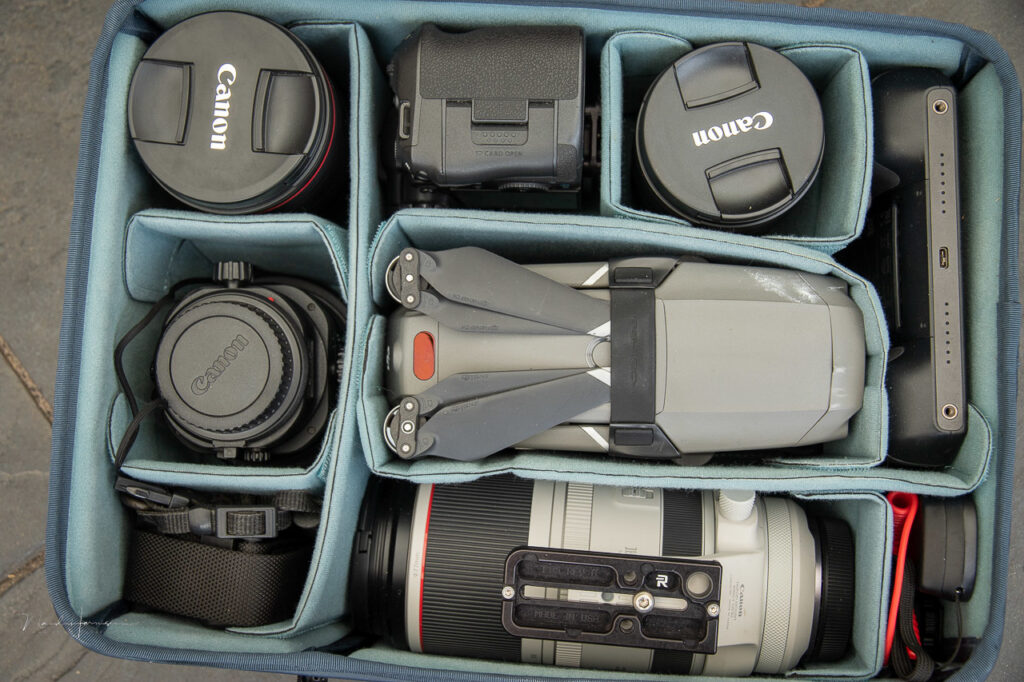
In the context of professional equipment maintenance, common camera gear storage mistakes are best understood as lapses in environmental control that invite biochemical or mechanical entropy. These errors generally arise from a lack of awareness regarding how optics and sensors interact with their immediate atmosphere. Whether it is the proliferation of lens fungus, a parasitic interaction between organic spores and glass-coating nutrients, or the oxidation of electronic contacts, these problems are localized and entirely preventable.
The difficulty in addressing common camera gear storage mistakes is that the damage is rarely immediate. A lens stored in a dark, humid closet may show no visible changes for years, even as the organic fibers of dormant spores settle into the lens barrels, awaiting the perfect humidity threshold. Similarly, storing a camera in a non-breathable plastic bag might seem like protection from dust, but it inadvertently creates a localized greenhouse effect, accelerating electronic corrosion. Recognizing that even “safe-looking” storage environments harbor invisible risks is central to avoiding common camera gear storage mistakes.
Ultimately, common camera gear storage mistakes are rarely about the hardware itself, but rather about the misunderstanding of what constitutes a stable environment. A stable environment is not merely “out of the way”; it is a climate-controlled zone where temperature fluctuations are dampened, and relative humidity is held within a tight, biologically stagnant range. By analyzing common camera gear storage mistakes through the lens of material science, we can transition from passive storage to active preservation, ensuring the integrity of every mechanical component.
The Systemic Evolution of Equipment Sensitivity
The transition from purely mechanical film systems to modern digital imaging has rendered equipment significantly more sensitive to environmental parameters. Early film cameras were largely immune to humidity; however, the integration of complex circuit boards, weather-sealing gaskets, and organic-based sensor coatings has made modern systems increasingly prone to long-term degradation.
Today’s equipment is a hybrid of materials: polycarbonate, magnesium alloy, glass, brass, and synthetic rubber. Each of these materials reacts differently to temperature changes. Rubber gaskets, for instance, dry out and crack in low-humidity environments, while dampening lubricants in lens helicoids can migrate and “seize” during periods of inactivity. The evolution of camera technology has outpaced the general knowledge of storage, creating a widening gap where highly sophisticated tools are often kept in conditions that actively promote their failure.
Conceptual Frameworks for Environmental Management
To manage this risk, we must employ structured mental models that address the specific vulnerabilities of imaging systems.
1. The Humidity Equilibrium Model
This framework posits that photographic equipment requires a humidity range that is neither too dry (which compromises seals) nor too humid (which promotes fungal growth). The ideal “Goldilocks” zone—typically between 40% and 50% relative humidity—is the critical target. Deviating consistently outside this range is a primary driver of long-term failure.
2. The Atmospheric Stagnation Model
This model highlights the importance of air exchange. Stagnant, warm, dark environments are the “perfect storm” for optical haze. By introducing managed airflow or utilizing active desiccant systems, one disrupts the environment required for the colonization of microorganisms.
3. The Mechanical Duty Cycle Framework
This framework suggests that periodic operation is essential. Complex camera gear, particularly lenses with intricate autofocus or aperture mechanisms, thrives on regular use. Storing a lens for years without actuation causes lubricants to settle and dry, leading to stiff performance when the item is finally engaged.
Categorizing Environmental Risk and Storage Variables
Storage risk is determined by a combination of the environment’s geography and the physical nature of the equipment being stored.
| Storage Variable | Risk Exposure | Primary Mitigation |
| High Humidity (>60%) | Critical | Active desiccant / Dry Cabinet |
| Extreme Temperature (>35°C) | Moderate | Climate-controlled storage |
| Rapid Temperature Fluctuations | High | Insulated staging areas |
| Static Dust Environment | Moderate | Airtight archival cases |
| Long-term Stagnation | Moderate | Periodic cycling/actuation |
Decision Logic: When evaluating the safety of a storage solution, the primary indicator is the ability to maintain a consistent environment. A closet may seem stable, but it is prone to seasonal shifts in humidity. A dedicated dry cabinet with an integrated hygrometer is the only way to establish a high-confidence storage environment.
Real-World Failure Scenarios and Analytical Decision Points
The “Basement Closet” Storage
An expensive lens kit is stored in a closet adjacent to an unconditioned basement wall.
-
Failure Mode: Seasonal dampness penetrates the wall, raising localized humidity above 65%.
-
Result: Within 18 months, microscopic fungal “trees” appear on the inner elements of a prime lens, requiring a full teardown.
-
Lesson: Environmental stability must be independent of the room’s general climate.
The “Plastic Bag” Greenhouse
A photographer places a camera in a plastic bag to protect it from dust.
-
Failure Mode: Trapped moisture creates a micro-climate where condensation occurs as the temperature shifts.
-
Result: Corrosion on the ribbon cables connecting the sensor to the processing board.
-
Lesson: Protection from dust must allow for ambient air exchange or be paired with desiccants.
The Economics of Preservation: Cost and Resource Dynamics
The decision to invest in proper storage is an economic one. It balances the upfront cost of equipment protection against the inevitable cost of repair or total asset loss.
| Resource Type | Upfront Cost | Long-term Asset Value |
| Standard Shelving | Low | High Risk / Asset Decay |
| Airtight Case w/ Silica | Moderate | Medium Protection / Low Maintenance |
| Electronic Dry Cabinet | High | Superior Protection / High Longevity |
For the professional, the cost-to-value ratio favors active electronic storage. The expense of a professional-grade dry cabinet is negligible when compared to the professional service fees required to clean a single high-end lens for fungus or haze.
Tactical Tools and Structural Defenses
-
Electronic Dry Cabinets: The gold standard. They provide regulated, dehumidified environments with minimal energy consumption.
-
Digital Hygrometers: Essential for auditing any storage environment. If you cannot measure it, you cannot manage it.
-
Active Desiccants: Silica gel canisters that can be regenerated. These provide a low-cost, high-reliability solution for Pelican-style travel cases.
-
UV Sterilization Exposure: While not a storage solution, controlled exposure to sunlight (with lens caps off) can neutralize early-stage fungal spores, but it must be done with extreme caution regarding sensor safety.
-
Microfiber Archival Wraps: Using non-synthetic, breathable materials for individual lens wrapping prevents the build-up of static that attracts dust.
Taxonomy of Transit and Stationary Failure Modes
-
Environmental Encroachment: Moisture, salt air, or industrial pollutants infiltrating the chassis.
-
Mechanical Settling: Lubricants migrating from high-pressure points, leading to sluggish focusing or shutter operation.
-
Electronic Oxidation: Humidity-induced oxidation of copper contacts, causing intermittent communication errors between lens and body.
-
Optical Haze: The off-gassing of plastic or organic lubricants within the lens barrel, depositing a foggy film on the rear elements over time.
Long-Term Governance and Adaptive Maintenance
Stewardship is not a set-it-and-forget-it practice. It requires a quarterly governance cycle:
-
The Hygrometer Audit: Verify that all cabinets are holding at the target 40%–50% relative humidity.
-
Mechanical Actuation: Cycle all lenses through their focus range. Engage aperture blades on vintage glass.
-
Sensor Inspection: Perform a “white wall” test to check for sensor dust or fungal particulate.
-
Desiccant Regeneration: Replace or regenerate all chemical drying agents.
Evaluating Performance: Metrics for Asset Longevity
-
Reliability Rate: Track how often a piece of gear functions perfectly on the first use. An increase in “first-use” failures is a leading indicator of storage-related issues.
-
Calibration Frequency: Monitor the frequency with which lenses require micro-adjustment. A sudden shift in calibration is often a sign of mechanical settling within the lens housing.
-
Optical Clarity Baseline: Maintain high-resolution images of each lens element under bright LED illumination. Comparing these images year-over-year provides a qualitative signal for the onset of haze.
Deconstructing Myths and Oversimplifications
-
Myth: “The camera is weather-sealed, so it is immune.”
Correction: Weather-sealing is for external moisture ingress during use; it does not protect against long-term, interior humidity issues when stored. -
Myth: “Dark closets are the best place to keep gear.”
Correction: Dark, poorly ventilated spaces are the primary breeding grounds for fungal issues. -
Myth: “Plastic bags are good for dust.”
Correction: Plastic traps moisture, leading to internal component corrosion.
Ethical and Contextual Considerations
The preservation of imaging equipment is also a matter of environmental and economic sustainability. By extending the life of current assets, the photographer reduces the demand for new production and mitigates the waste generated by the rapid obsolescence of digital tools. Proper storage is the most effective form of equipment maintenance, demonstrating respect for the engineering complexity inherent in the tools of the craft.
Conclusion
The stewardship of photographic equipment is an analytical endeavor, requiring a shift from viewing gear as durable hardware to recognizing it as a collection of sensitive, environment-responsive components. Avoiding common camera gear storage mistakes is not about the procurement of expensive cabinets, but about the application of disciplined, consistent oversight. Whether one utilizes high-end electronic dry systems or simple, monitored airtight containers, the objective remains the same: to isolate the gear from the natural degradation factors of the environment. By mastering these environmental variables, photographers ensure their tools remain as precise and reliable as the day they were manufactured, guaranteeing their ability to capture moments without the constant, underlying risk of equipment-driven failure.